What PRAAD Is
The Public Records and Archives Administration Department is Ghana's national archives service. It descends from the archives department established in the Gold Coast colony in the 1940s, and it took its present name and mandate under national archives legislation passed in 1997. PRAAD is responsible both for preserving the historical record and for managing the current records of government — a dual role that shapes what it holds and how it is arranged.
Its headquarters are in Accra, and it maintains regional branches across the country. For anyone working on Asante, two locations matter: Accra, which holds the central colonial administration's files, and Kumasi, which holds the record generated in Ashanti itself.
The Kumasi Branch
The Kumasi office is the natural first stop for Asante research. Its holdings reflect the administrative history of the region: the papers of the Chief Commissioner of Ashanti and the district commissioners under him, native affairs files, records of the Ashanti Confederacy Council after the restoration of 1935, and material on local government, land, and chieftaincy after independence.
Two categories are especially valuable and are not easily found elsewhere:
- Stool and chieftaincy dispute files. Colonial officers, faced with contested successions, took evidence from elders, recorded genealogies and asked for the history of the stool in question. The resulting files are among the fullest written records of Asante political tradition, produced for administrative purposes but preserving testimony that would otherwise have remained oral.
- Native tribunal and court records. Cases about land, debt, marriage and inheritance document ordinary life at a level of detail that policy correspondence never reaches.
How the Holdings Are Arranged
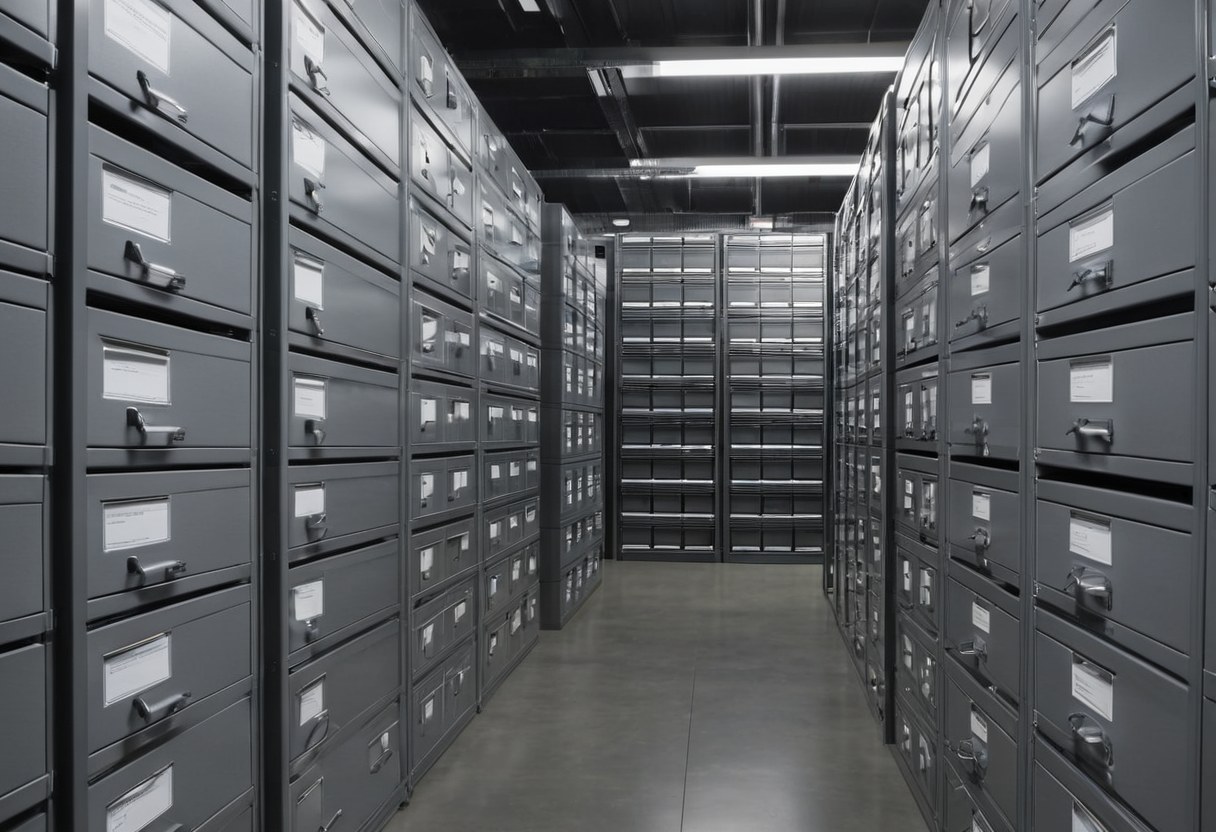
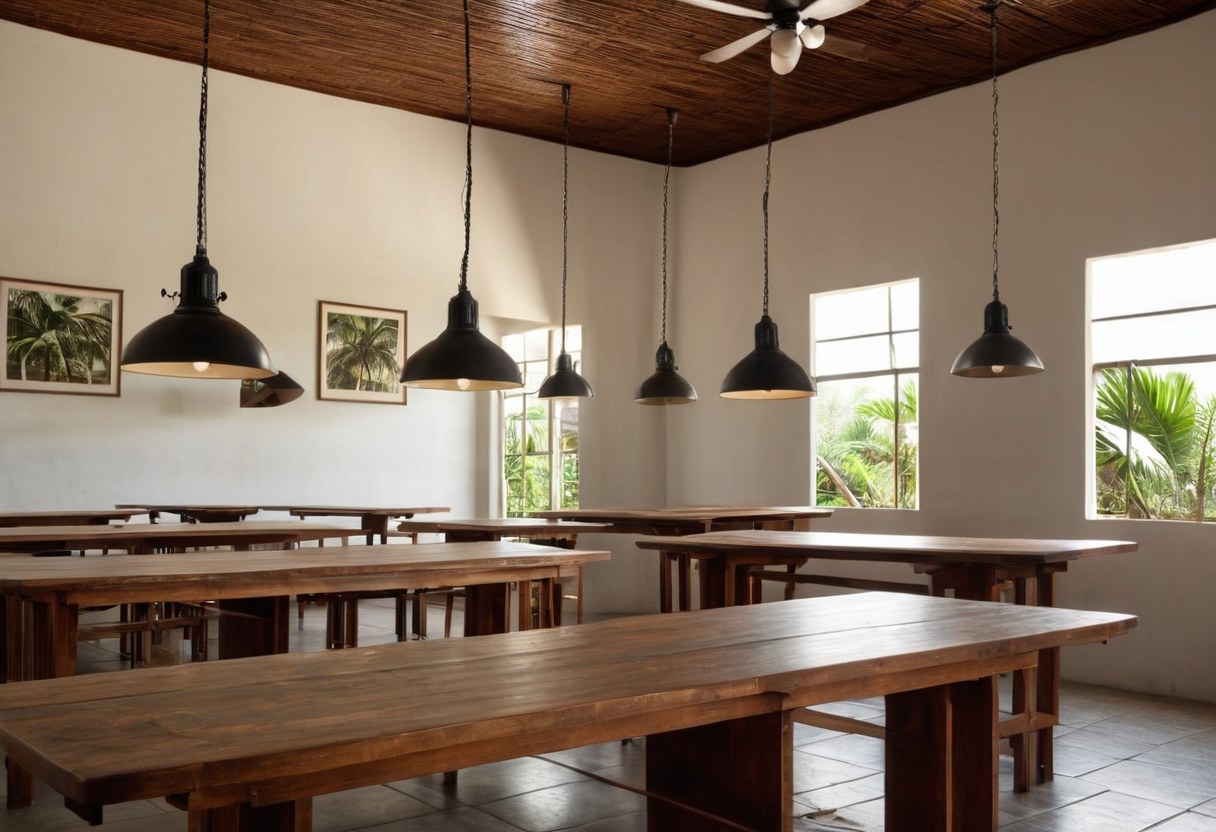
PRAAD material is organised into record groups identified by letter codes, of which the administrative series — conventionally cited with an ADM prefix — is the one most researchers encounter. Within a group, files are numbered and described in finding aids consulted in the search room. There is no single comprehensive online catalogue covering the whole of PRAAD, so identifying material generally means working through the paper and card finding aids on site, with the help of the archivists.
Because Britain administered Ashanti separately from the Gold Coast Colony and the Northern Territories for much of the colonial period, the same subject can appear in Accra, in Kumasi and in the British National Archives at Kew. Serious work usually means checking more than one of them.
Working There in Practice
- Write ahead. Contact the branch before you travel, explain your research topic and ask what is required. Some material needs permission, and some is restricted by the closure periods that apply to government records.
- Bring identification and a letter of introduction. An affiliation letter from a university or institution is normally expected, and student researchers should assume it will be asked for.
- Expect to negotiate photography. Rules on cameras, scanning and copying vary and change; ask on arrival rather than assuming.
- Budget time for finding aids. Identifying files can take as long as reading them. Days spent with the inventories are not wasted days.
- Talk to the staff. Archivists at PRAAD know their holdings in a way no catalogue captures, and a clear description of what you are looking for is often worth more than a keyword.
Condition and Preservation
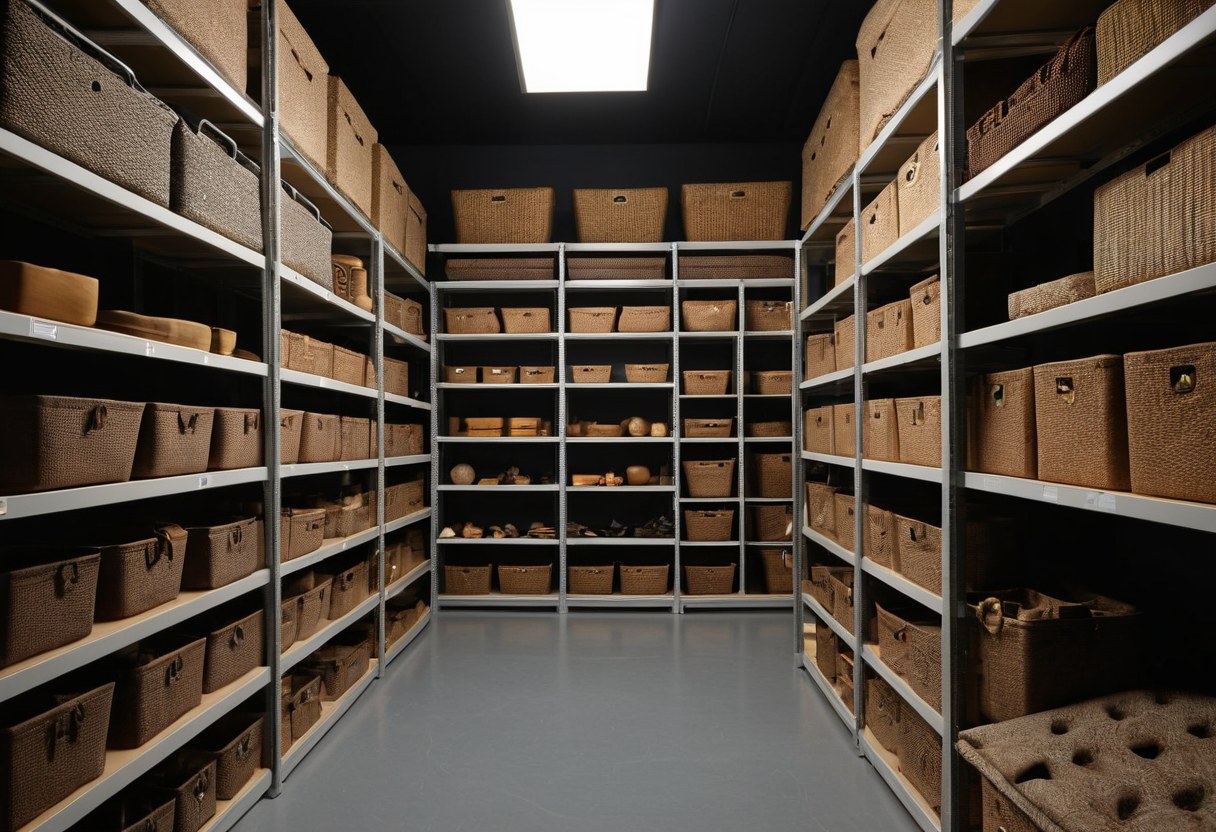
Tropical conditions are hard on paper. Humidity, insects and the cost of climate control are permanent challenges for archives across West Africa, and PRAAD has run digitisation and conservation programmes, often with international partners, to stabilise its most vulnerable material. Researchers should expect that some files are fragile, that some are unavailable for conservation reasons, and that this is a preservation decision rather than an obstruction.
Using PRAAD Alongside Other Sources
PRAAD holds the record of Asante as it was administered — largely by a colonial government and then by an independent Ghanaian state. It does not hold the Asante state's own record of itself. For that, researchers turn to the Manhyia Palace archive in Kumasi, to the stool histories collected by the Institute of African Studies at the University of Ghana, and to oral testimony gathered in the communities concerned.
The three bodies of evidence complement each other in a way that is worth thinking about deliberately. A colonial district commissioner's file records what an outsider was told and chose to write down. A stool history records what a lineage maintains about itself. Dutch and British archives record what Europeans on the coast believed was happening inland. None of them is neutral, and where they disagree the disagreement is usually informative.
Beyond the Colonial Period
It is easy to treat PRAAD as a colonial archive and stop in 1957, but its post-independence holdings — ministry files, development records, local government papers, chieftaincy affairs under successive republics — are the primary source for the modern history of Asante within Ghana, including the position of the Asantehene in a republican state, the politics of land and stool property, and the relationship between traditional authority and elected government. That material is comparatively little used and is one of the more open fields for new research.