Background: A Century of Declining Dutch Power
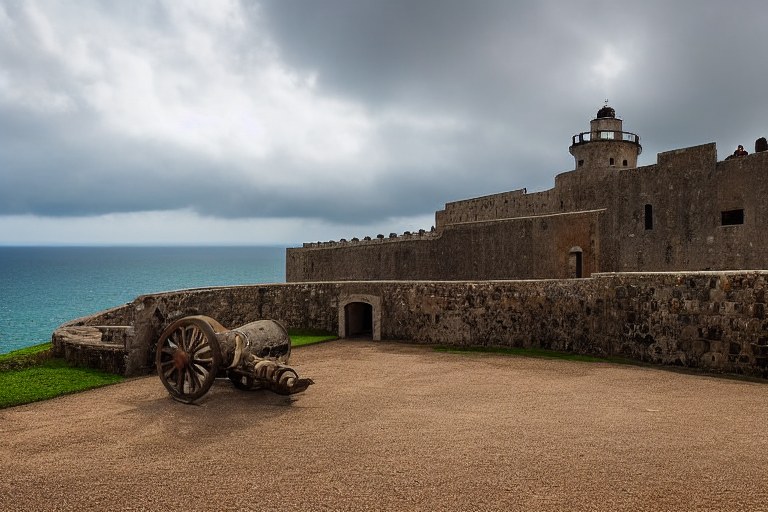
By the mid-nineteenth century the Dutch West India Company (WIC) had long since dissolved, and the Netherlands found its Gold Coast possessions increasingly difficult to maintain. Fort Elmina, the jewel of the Dutch presence since 1637, was costing far more in administration and garrison costs than it generated in trade revenue. The abolition of the Atlantic slave trade — the primary commercial justification for the forts — left the Dutch with little economic rationale for keeping their West African stations.
A series of Anglo-Dutch treaties had already rationalised European spheres of influence: the 1867 exchange agreement had swapped Dutch and British forts to create more contiguous zones, but the arrangement satisfied neither side. Dutch administrators grew frustrated with the administrative burden while British traders increasingly dominated Gold Coast commerce.
The Asante Dimension
The Dutch handover was not merely a bilateral European affair. The Asante Confederacy had long maintained formal treaty relations with the Dutch, going back to agreements signed under Asantehene Osei Bonsu (r. 1800–1823). These treaties guaranteed Asante access to the coast through Elmina and recognised Asante suzerainty over the Fante peoples living near the fort. When Asantehene Kofi Karikari learned of the impending transfer, he protested vigorously: from the Asante perspective, the Dutch had no right to transfer territory in which Asante held a superior claim.
The Asante had also paid an annual tribute — the Notes — to the Dutch, a payment interpreted by Kumasi as rent for Elmina's use of Asante land. The British rejected this interpretation outright, insisting the Notes were a subsidy paid to the Asante, not rent owed to them. This dispute over the meaning of the Notes would become a central grievance driving Asante to war.
The Transfer of April 1872
On 6 April 1872 the formal transfer ceremony took place at Elmina. The Dutch flag was lowered and the Union Jack raised over the castle. Some 300 Dutch troops and officials departed for the Netherlands. The British paid the Netherlands £3,797 10s. as compensation — a remarkably modest sum for 235 years of Dutch presence on the Gold Coast.
The local population of Elmina, many of whom had lived under Dutch protection for generations and held Asante overlordship claims, were not consulted. A significant number of Elmina residents were deeply hostile to the transfer. Some fled north to ally with the Asante; others staged small uprisings against the new British authority.
Immediate Consequences
The British colonial administration moved quickly to assert control, but the Asante response was swift. Within months, Asante armies began massing south of the Pra River, and by early 1873 large forces had crossed into the protectorate. The Asante-British confrontation that followed — the Third Anglo-Asante War (1873–74) — ended with General Garnet Wolseley's forces sacking and burning Kumasi in February 1874.
The aftermath stripped the Asante Confederacy of its southern territories and access to the coast, ending over a century of direct Asante-Dutch relations. The Dutch presence, which had been a counterweight to British expansion and a diplomatic partner for Kumasi, was gone. The Gold Coast became an exclusively British domain, setting the stage for the final abolition of Asante independence in 1901.
Legacy
The events of 1872 illustrate how colonial transfers, conducted entirely between European powers, could have devastating consequences for African states that held legitimate treaty claims to the territories being transferred. The Dutch-British handover of Elmina remains a significant episode in the history of European colonialism in West Africa and a key chapter in the complex story of Asante-Netherlands relations.