The Golden Stool: Symbol of Sovereignty
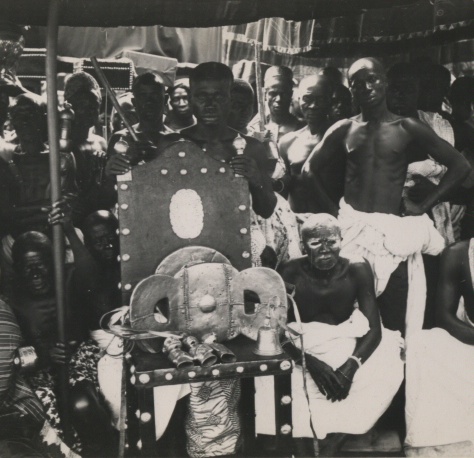
The Golden Stool, reportedly created by Okomfo Anokye in 1697, represents the most sacred object in Asante tradition. The stool embodied the nation's soul and served as ultimate symbol of Asante sovereignty and unity.
Spiritual Significance
The Golden Stool was not merely a seat but a sacred object connecting the living Asantehene to ancestors and divine will. The stool's care required elaborate protocols, with only designated attendants permitted to touch it. Its preservation and protection was paramount duty of all Asante people.
Political Centrality
No major decision could be made without reference to the Golden Stool's implied authority. Its presence at all important ceremonies affirmed legitimacy of the proceedings. When the British demanded the stool's surrender in 1900, the demand was understood as attempt to seize Asante's very identity.
Modern Status
The Golden Stool remains central to Asante identity in contemporary Ghana. It is preserved in Kumasi, housed in a special shrine, and serves as symbol of cultural continuity and resistance. Asante people consider it living embodiment of their heritage and source of national pride.