What Odwira Means
Odwira is the Twi word for cleansing or purification, and it names both a ritual act and the annual festival built around it. The festival is not a single ceremony but a sequence spread over roughly a week or two, in which the state is symbolically swept clean of the previous year's pollution, the royal ancestors are honoured and fed, the new yam is released for eating, and the chiefs of the kingdom appear before the Asantehene to renew their allegiance. Versions of Odwira are kept across the Akan world; the Asante festival at Kumasi was historically the largest and the most political.
The Ritual Year
Asante time is organised by the adae cycle, a forty-two-day round in which two days are set aside for honouring the ancestors: Akwasidae, which falls on a Sunday, and Awukudae, which falls on a Wednesday. On these days the ruler enters the stool room to pour libation and offer food to the ancestral stools. Odwira sat at the head of this cycle as the great annual version of what the adae did in miniature — an accounting for the whole year rather than for the past six weeks. It was held after the yam harvest, in the period corresponding to late August and September, and its timing was announced from the court.
The Shape of the Festival
Cleansing the blackened stools
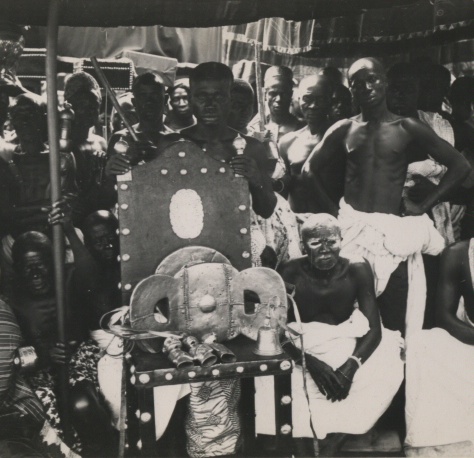
The heart of Odwira is the stool room. When a ruler of standing dies, his personal stool may be blackened with soot and egg yolk and placed among the ancestral stools, becoming the material point of contact between the living and the dead. During Odwira these stools are taken out, cleaned, and fed with mashed yam and the blood of sacrificed animals. The act is intimate and closed: it takes place away from the crowd, conducted by the ruler and a small number of stool attendants.
The new yam
Until the ancestors have eaten, no one else may eat the new yam. The prohibition gives the festival its character as a first-fruits rite and makes a plain statement about precedence — the dead are served before the living, and the ruler serves them on everyone's behalf. When the ban is lifted, the mood of the festival changes sharply from restraint to public celebration.
Procession and allegiance
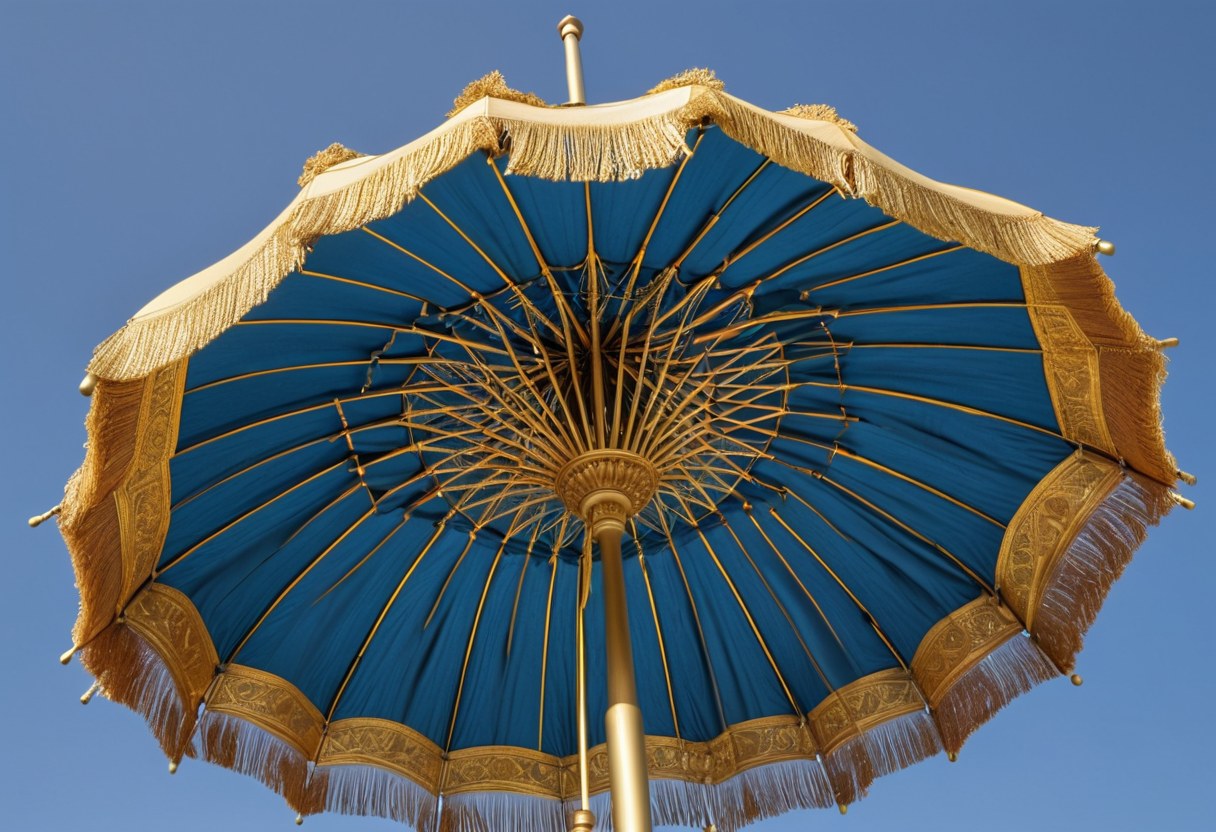
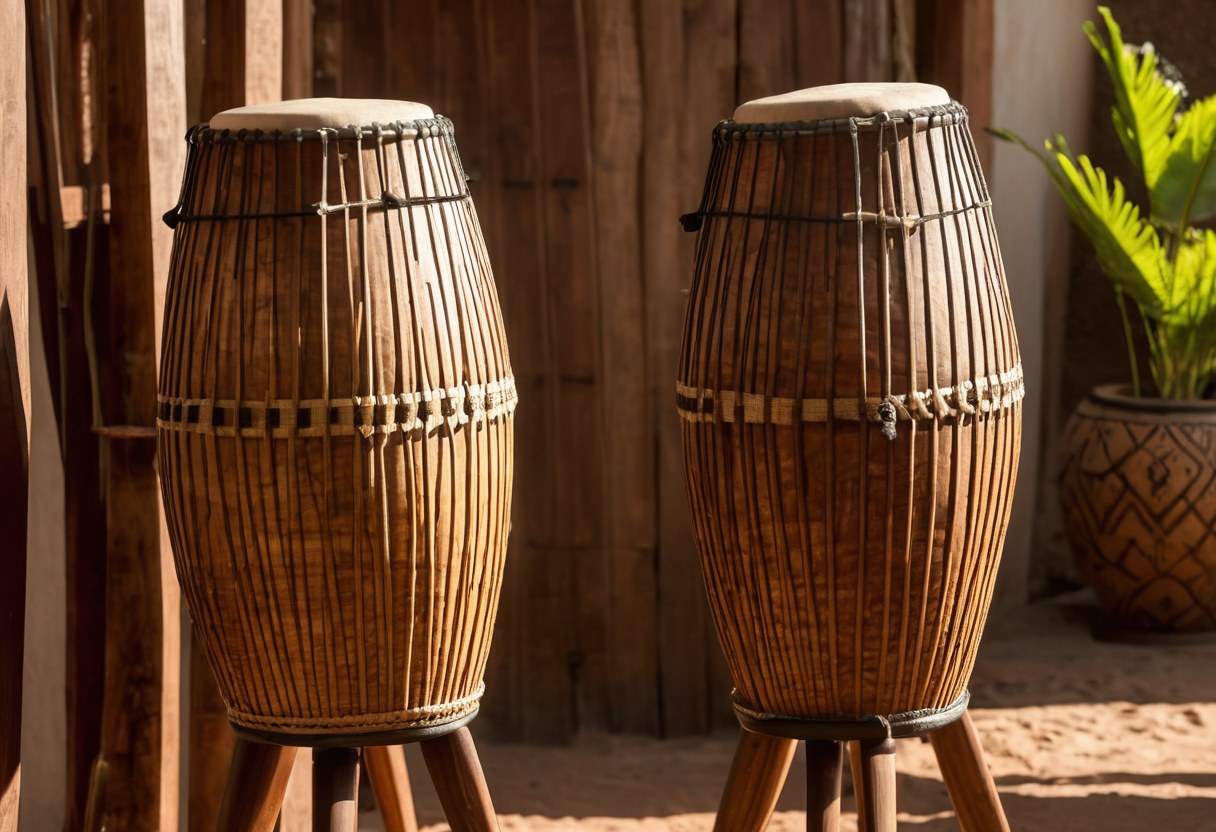
The public days bring the state out of doors. The Asantehene appears in palanquin beneath a great state umbrella, accompanied by sword-bearers, spokesmen with their staffs, horn-blowers and the deep fontomfrom drums. Chiefs from the constituent states of the kingdom arrive with their own regalia and retinues, and the order in which they greet the Asantehene is itself a statement of rank. Gifts and tribute are presented, disputes may be aired, and the year's political relationships are put on show and thereby re-affirmed.
The Political Work of the Festival
It is tempting to treat Odwira as religion and leave it there, but the festival was one of the central instruments of Asante government. It gathered the whole political class in one place at one time; it made subordination visible in a form everyone could read; it allowed the centre to take account of the provinces; and it renewed, through ritual rather than through force, the consent on which a large decentralised kingdom depended. Historians of Asante, T. C. McCaskie in particular, have read the festival as a text about power as much as about the ancestors.
European Eyes
Some of the fullest early descriptions come from Europeans who happened to be at Kumasi during the festival, above all Thomas Edward Bowdich, whose 1817 mission produced a long account of Asante ceremony. These descriptions are valuable — they record scale, sequence and regalia that no other source preserves — but they must be read carefully. The visitors did not understand what they were watching, they gave heavy emphasis to the executions that accompanied the rites, and their published accounts were written for readerships at home that expected the exotic and the barbarous. The passages describing killing were later put to political use in justifying intervention. Modern historians use these accounts alongside oral tradition and stool histories rather than in place of them.
Odwira After 1896
The Odwira of the nineteenth century did not survive the destruction of Asante independence intact. With the deposition and exile of Asantehene Prempeh I in 1896 and the war of 1900, the festival at Kumasi lapsed in its old form. After the restoration of the Asante Confederacy in 1935 much of the ritual calendar was rebuilt, and today the great public occasion of the Asante year is the Akwasidae Kese, the enlarged Akwasidae. Elsewhere in the Akan world Odwira continues under its own name — the Odwira of Akuapem at Akropong is the best known — and draws large numbers of visitors and returning members of the diaspora each year.
Why It Still Matters
Odwira compresses a great deal of Asante thought into a few days: that authority descends from ancestors and must be periodically returned to them; that the political order is a moral order and can be polluted; and that renewal is something a community does together, in public, at a fixed time. For visitors and researchers it is also one of the few contexts in which regalia, drum language, praise poetry and court protocol can be seen working together as a single system rather than as separate items in a museum case.