The Asante Religion: Spiritual Foundations of Empire
The Asante people practiced a sophisticated religious system combining belief in a supreme God (Onyankopon) with veneration of ancestral spirits and natural forces. This spiritual framework legitimized political authority and bound the empire together.
Onyankopon: The Supreme Creator
At the apex of Asante religious belief stood Onyankopon (God), the omnipotent creator who set the cosmos in motion and maintained cosmic order. While distant and not requiring direct worship, Onyankopon's will was interpreted through priests, elders, and spiritual leaders.
Abosum: Spirits of Nature
Asante recognized abosum (singular: obosem)—powerful spirits inhabiting natural features like rivers, mountains, and groves. These spirits required propitiation and offerings, particularly when communities faced hardship or sought blessing for major undertakings.
Ancestor Veneration
The abonsam (ancestors of royal lineages) held special significance. The Asantehene himself was considered to embody the collective spirit of past rulers. Ancestor veneration maintained social cohesion, as family members felt watched and guided by departed relatives who maintained interest in the moral behavior of the living.
The Golden Stool as Sacred Object
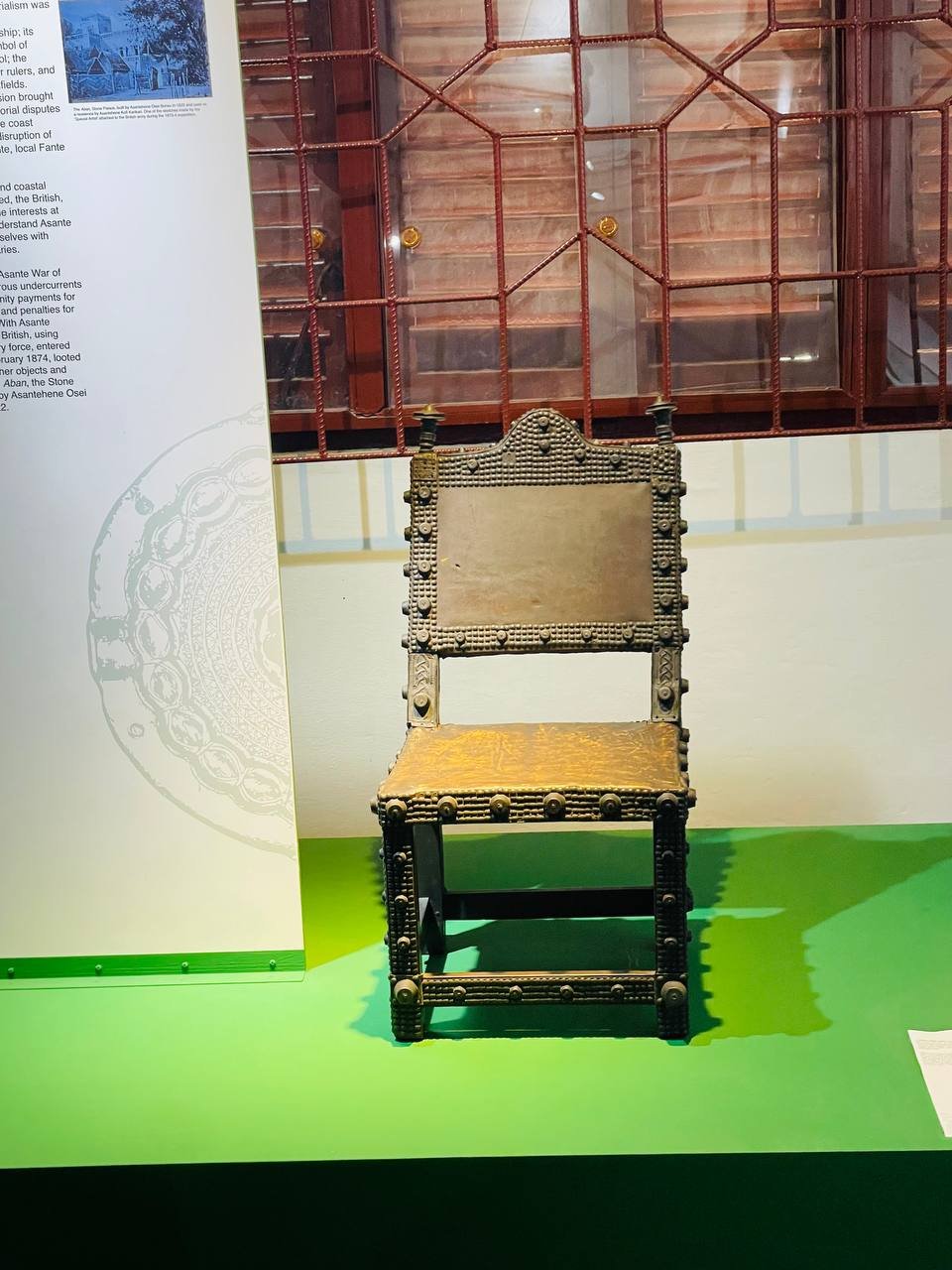
The Golden Stool, presented by high priest Okomfo Anokye, became the most sacred object in Asante religion. It represented not merely political authority but the soul of the nation itself. No one but the Asantehene could sit upon it, and it was guarded with elaborate ceremony and ritual protection.
Okomfo Anokye: The Founding Priest
Okomfo Anokye, whose actual dates remain uncertain but who lived during Osei Tutu I's reign, became legendary as the spiritual architect of the Asante nation. Traditions credit him with:
- Presenting the Golden Stool as divine gift
- Establishing ritual protocols binding the confederacy
- Creating spiritual sanctions for political decisions
- Founding shrines that became centers of Asante spiritual life
Fetish Priests and Spiritual Experts
Professional okomfo (priests) maintained shrines, interpreted divine will, and performed rituals. They possessed knowledge of herbs, medicines, and means of communicating with spiritual forces. The most powerful priests gained significant influence at court, as rulers sought divine validation for important decisions.
Ritual Life and Festivals
The Asante calendar featured major ceremonial occasions including the Odwira (Yam Festival), which involved purification of the community, honoring of ancestors, and renewal of the covenant between rulers and ruled. These festivals maintained social cohesion and affirmed spiritual relationships.