The Kente Cloth: Royal Textile Tradition
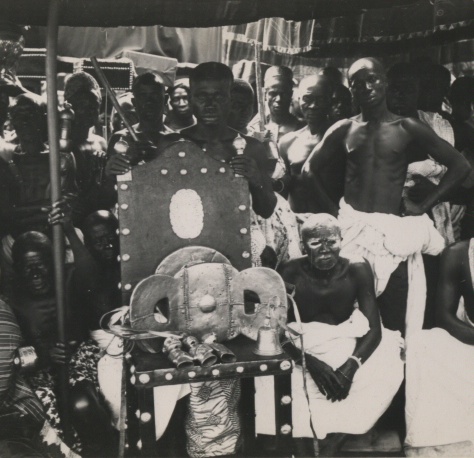
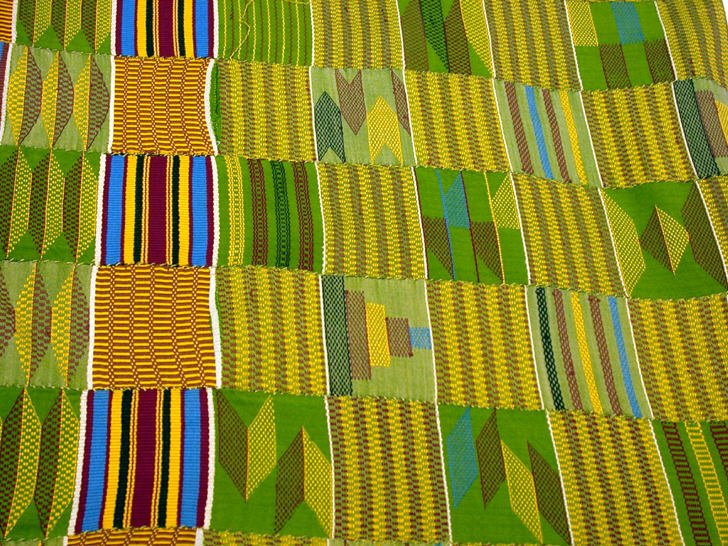
Kente cloth represents the apex of Asante textile artistry, with each pattern carrying specific meanings and reserved for particular occasions and social statuses. The weaving tradition evolved over centuries, with the finest examples incorporating rare gold thread.
History and Origins
While kente weaving likely developed among Ewe peoples, the Asante transformed it into a distinctly Asante cultural symbol through adoption and elaboration. Asante royalty associated the cloth with authority and prestige, making kente woven by Asante masters the most sought-after version.
Pattern Meanings
Kente patterns carry symbolic meanings: Adinkrahene (the \"king of all patterns\"), Oduom (patience and gentleness), Nkyimkyim (complexity and adventure). A person's choice of kente pattern communicated their values, aspirations, and role. Weavers spent years mastering techniques necessary for the most intricate patterns.
Modern Significance
Kente remains central to Asante and broader Akan identity. Pan-African movements adopted kente as symbol of African pride and cultural continuity. Contemporary kente weavers maintain traditional techniques while creating new designs reflecting modern sensibilities and values.