Daily Life in Asante: Family, Work, and Social Structure
Beyond the royal court and military campaigns, the vast majority of Asante people lived in villages and towns organized around family compounds, agricultural work, and community traditions.
The Matrilineal Family System
The Asante organized along abusua (matrilineal clans), meaning descent and inheritance passed through the mother's line rather than the father's. A person's primary loyalty went to their mother's family, and property, including land, passed from mother to daughter.
This system had profound implications: women controlled significant property and wealth; children's education came under mother's brother's supervision; and women could not be sold into slavery by their own families. The matrilineal system gave Asante women unusual economic and social power compared to many neighboring peoples.
Marriage and Household Organization
Marriages were arranged by family leaders, with formal negotiations over bride-price and obligations. A young man typically moved to his wife's compound after marriage, though maintaining strong ties to his mother's family. Polygamy was permitted for men of means, with each wife maintaining her own quarters.
Agricultural Foundation
The Asante economy rested on agriculture: yams, cassava, plantains, and maize provided the diet, while cocoa (introduced in the late 19th century) and other crops provided trade goods. Women dominated farming activities, controlling food production and much of the market trade.
Craftsmanship and Specialization
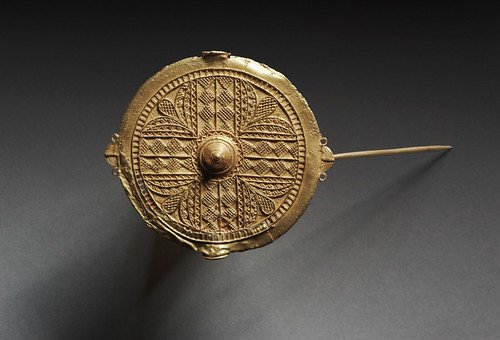
Accomplished artisans—goldsmiths, weavers, wood carvers, blacksmiths—gained prestige and were often freed from military service to practice their crafts. Guild-like organizations controlled training and maintained quality standards.
Slavery and Social Hierarchy
Asante society included a class of enslaved people, typically war captives or people from outside the confederacy. However, slavery was not hereditary—children born to enslaved mothers were sometimes incorporated into free families. Some enslaved people rose to positions of influence as advisors, administrators, or warriors.
Religious and Celebration Life
Community religious practices, puberty rites, marriage ceremonies, funerals, and festivals provided occasions for affirming social bonds and transmitting cultural values. Funerals, in particular, could be elaborate multi-day events celebrating the deceased's life and affirming family continuity.
Education and Knowledge Transmission
Young people learned through observation, apprenticeship, and instruction. Exceptional individuals received training as priests, court officials, military leaders, or skilled craftspeople. The oral tradition meant that historical knowledge, military tactics, and practical wisdom were transmitted through storytelling and direct teaching.